Seven Hualien Adventures That Aren't Taroko (And Why They're Worth Your Time)
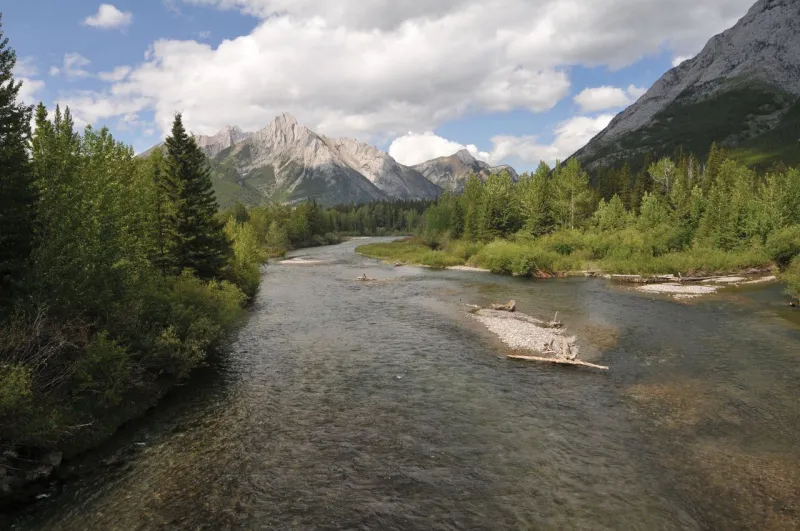
Photo: river tracing Hualien Taiwan group helmet life vest stream, via cdn.britannica.com
Taroko gets the headlines, and rightly so. The marble gorge is one of the most dramatic landscapes in East Asia. But Hualien County is bigger than one park, and the crowds that funnel into Taroko often miss the coast, the rift valley, and the indigenous communities that make this corner of Taiwan feel different from the rest of the island. Here are seven alternatives for US outdoor travelers who want variety, not just a checklist.
1. River Tracing Near Liyu Lake
River tracing—scrambling, wading, and sometimes swimming up a stream—is the classic Hualien adventure that is not Taroko. Local operators run half-day trips in several catchments, often near Liyu Lake or in the foothills south of Hualien City. You wear a helmet, a life vest, and grippy shoes, and you follow a guide up a cool, shaded creek. It is physical but not technical. The honest caveats: trips depend on rainfall and water levels, and some routes cross indigenous land where access rules apply. Book with a licensed operator, ask about permits, and do not show up hoping to wing it.
2. Coastal Cycling on Route 11
The Pacific coast between Hualien City and Fengbin is a string of pebble beaches, fishing harbors, and cliffs. You do not need to ride the whole thing. Rent a bike in Hualien City and do an out-and-back on a manageable section, or take a train to a smaller station and ride from there. The wind is the wild card: a tailwind going south can become a headwind coming back. Check the forecast, start early, and carry water. This is not a closed bike path the whole way; some sections share the road with cars and scooters.
3. Tea Country Walks in the East Rift Valley
Inland from the coast, the East Rift Valley is a patchwork of rice paddies and tea farms. Around Ruisui and Yuli, you can walk quiet lanes, visit small tea producers, and look up at the Central Mountain Range. This is not a technical hike. It is a slow wander with a destination: a cup of tea and a conversation. Some farms offer DIY tea sessions; others are working operations. Call ahead or ask your guesthouse to arrange a visit. Avoid showing up unannounced during harvest.
4. An Amis Cultural Experience in Fengbin or Shoufeng
Hualien is home to a large Amis population, and several communities run cultural experiences that go beyond a dance show. Depending on the season and the community, you might learn about coastal fishing, wild vegetables, bamboo weaving, or traditional songs. These are not amusement-park attractions. They are someone's home and heritage. Book through a reputable local operator, be on time, and follow your host's cues about photos and participation. The best experiences are small and conversational, not staged for a busload.
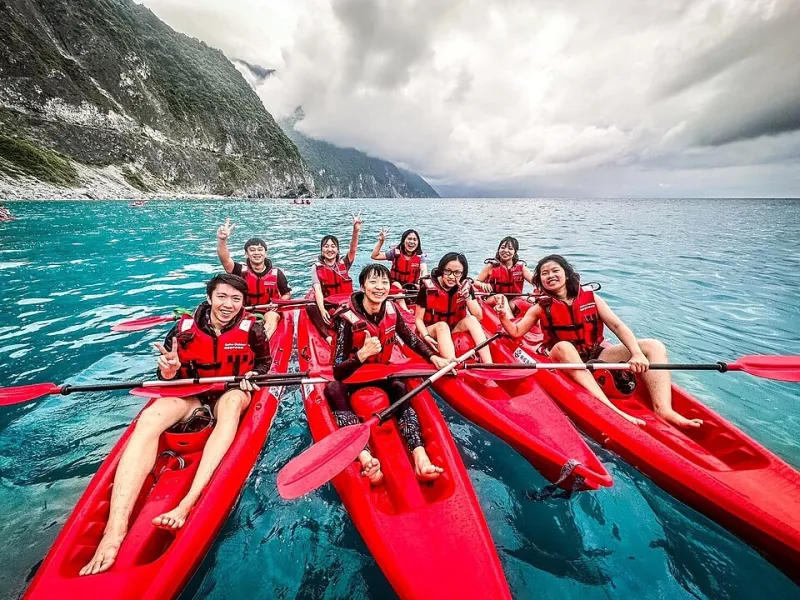
5. Liyu Lake by Paddleboard or Canoe
Liyu Lake is a quiet alternative to the coast when the sea is rough. You can rent a paddleboard or canoe, or simply walk the loop trail. The lake sits at the foot of a forested hill, and the morning light is soft. It is popular with Taiwanese families on weekends, so go early or on a weekday. Life jackets are required for rentals, and the lake can close to watercraft in bad weather.
6. Sixty Stone Mountain in Late Summer
Sixty Stone Mountain, or Liushidan, is famous for daylily fields that bloom in late summer. It is in the rift valley, not on the coast, and the drive or bus ride takes time. The reward is a landscape that looks like a green-and-orange quilt. The bloom window varies by year and weather, so check local updates before you commit. The mountain roads are narrow; if you are not comfortable driving, join a small tour or hire a driver.
7. Ruisui Hot Springs After a Wet Day
When the weather turns, outdoor plans shrink. That is the moment to head to Ruisui, where hot springs feed several hotels and public baths. It is not a wilderness experience, but it is a good one: warm water, cool air, and a chance to reset. Some facilities are simple; others are resort-style. Bring your own towel if you are unsure, and check whether the spring is open to day visitors.
A Note on Weather, Permits, and Honesty
Hualien's adventures are weather-dependent. River tracing can be canceled after rain. Coastal roads can close. Trails can be rerouted. Permits may be required for indigenous land or protected areas. None of that is a reason to skip the county. It is a reason to build flexibility into your trip and to ask questions before you pay. The best operators will tell you when a trip is not a good idea.
Taroko is worth your time. But if you give Hualien a few extra days, let the county show you what else it has. The coast, the valley, and the communities inland are not consolation prizes. They are the reason a Taiwan itinerary here can feel like a real trip instead of a highlight reel.