The Calendar Is the Invitation: Planning a Hualien Trip Around Amis Harvest Season
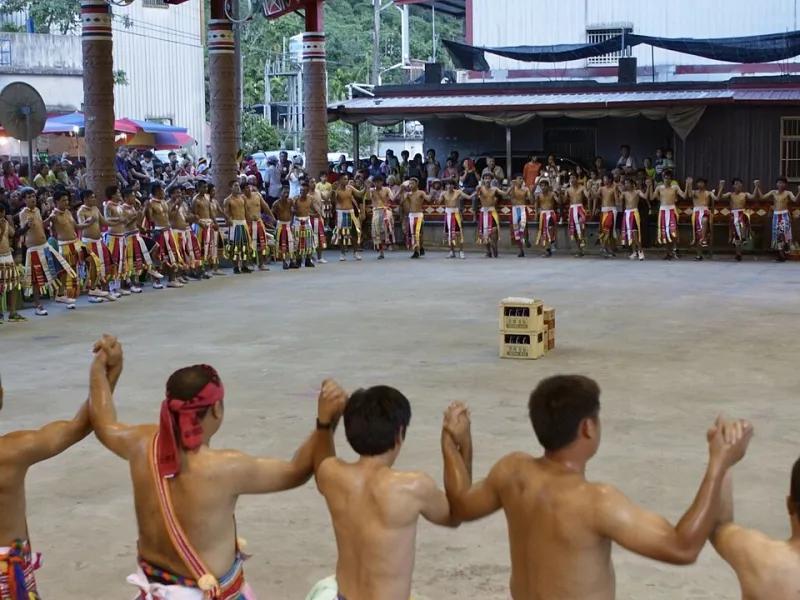
Photo: 'Avunay, CC BY-SA 4.0, via Wikimedia Commons
A Festival Season, Not a Festival
The Amis are Taiwan's largest Indigenous group, and their harvest festival — often called ilisin — is one of the most important events on the Indigenous calendar. But it is not a single ticketed festival with one website and one weekend. It is a season of village-specific celebrations, usually spread across late July and August, with dates set by elders and community leaders.
As of late November 2026, this year's ilisin season has wrapped. That makes 2026 useful as a planning template: the rhythm will be similar next year, even if the exact dates shift. If you want to build a Hualien trip around the 2026 season — or the next one — start with the calendar, not the flights.
Why Dates and Places Vary
Each village has its own relationship to the harvest, its own age-group organization, and its own ceremonial obligations. Some ilisin events are large and public. Others are closed to outsiders. Some villages welcome visitors for part of the celebration and keep other parts private. There is no central box office, and there should not be.
This is the first thing to understand: you are not booking a show. You are being invited into a community's calendar, and the invitation may be partial. Check with the Hualien County Indigenous Peoples Department, local township offices, the East Coast National Scenic Area, and community tourism groups. Ask specifically whether there is a public event, what parts are open to visitors, and what behavior is expected.
What You Might See
Expect age-group dances, singing, communal meals, and rituals honoring ancestors. The mood can be joyful and solemn at the same time. This is not a luau, and it is not a performance staged for tourists. In some villages, guests are welcomed with a ceremony. In others, you may be asked to observe from a distance.
If you are invited into a dance circle, join respectfully and follow the person next to you. Do not assume you can photograph everything. Drones are a hard no in many communities. Headdresses and ceremonial objects are not props.
Etiquette for Outside Guests
Wait for an invitation before entering a private area or joining a ritual. Ask before taking photos or video, especially of elders and children. Dress modestly — shoulders and knees covered is a safe default. Do not touch ceremonial objects or regalia. Do not bring alcohol unless it is offered. Buy from local vendors and pay fairly. Keep your group small. Follow the instructions of elders and organizers, even if it means stepping back.
A few words of Amis — nga'ay ho is a common greeting — go a long way, but do not perform them. Use them politely and move on.
Building a 2026-Season Itinerary
A good trip around ilisin is a slow trip. Give yourself five to seven days. Start with a night in Hualien City to adjust, visit the county's Indigenous cultural museum if it is open, and sort out transport. Then move into the villages.
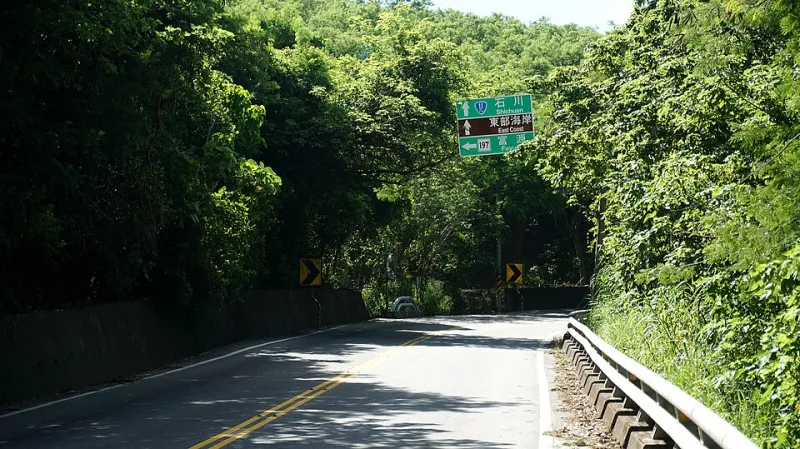
Day two: drive the coast through Fengbin and Changbin, where several Amis communities live. Keep the schedule loose. Day three: head into the rift valley around Guangfu, Ruisui, or Yuli, another important Amis region. Days four and five: attend a public ilisin event if you have confirmed one. Stay nearby rather than day-tripping from Hualien City, because celebrations can run late and the best moments are often informal. Day six: recover with a quiet coastal walk. Day seven: return to Hualien City.
This structure works for the 2026 season as a template. For the next season, plug in the new dates once they are announced and keep the same pace.
Where to Base Yourself
Hualien City is the easiest base for your first and last nights. For the festival itself, stay in or near the village you are visiting. Fengbin and Changbin work for the coast; Guangfu, Ruisui, and Yuli work for the rift valley. Book early. Summer is already busy, and festival dates fill small guesthouses fast. A rental car gives you the most flexibility; buses exist but are sparse.
Practical Notes
Summer in Hualien is hot, humid, and buggy. Carry water, wear light clothing, and bring rain gear. Typhoon season can disrupt travel, so build in a buffer day. Some villages are remote, and cash is useful. Never show up at a private ceremony unannounced. If a road or trail is closed, do not argue with the sign.
The Takeaway
The Amis harvest festival rewards travelers who are willing to be guests rather than consumers. The calendar is the invitation, but the invitation is specific. Confirm before you go, follow local guidance, and let the trip be slower than your usual itinerary. That is how you end up with a memory that is not just a photo of a dance.