When the Trail Turns Into a Creek: A First-Timer's Guide to River Tracing in Hualien
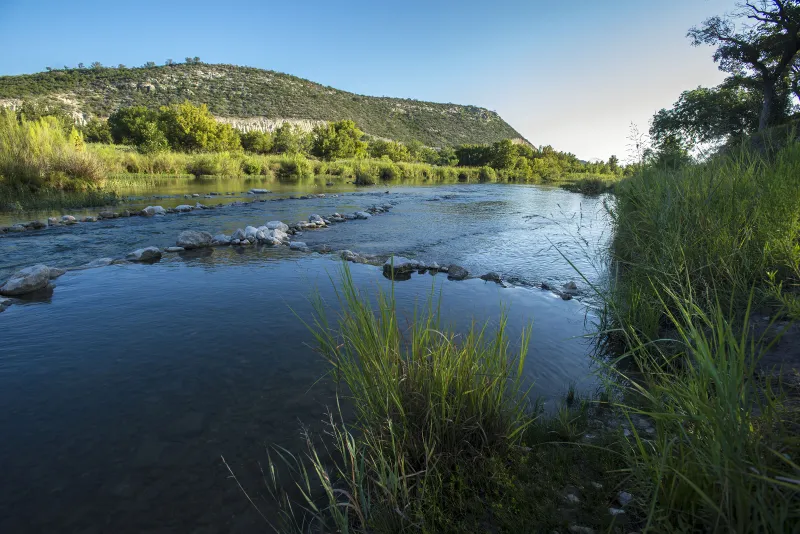
Photo: river tracing Hualien Taiwan guided group helmets creek, via texashighways.com
What River Tracing Actually Is
In Taiwan, river tracing — suoxi in Mandarin — means moving upstream through a creek or small river. You wade, scramble over boulders, swim across pools, and sometimes slide down natural chutes or jump into deep water. It is not a hike with wet feet. It is a team activity, usually guided, where the route is the water itself.
Hualien is one of the best places in Taiwan to try it. The county has steep mountains, clean creeks, and a guide culture that has grown around adventure tourism. For Americans who know canyoneering, river tracing will feel familiar in spirit and different in practice.
How It Differs from US Canyoneering
In the US, canyoneering often means technical slot canyons: rappels, rope systems, route finding, permits, and a real chance of getting stuck if you do not know what you are doing. River tracing in Hualien is usually less technical. Many beginner routes involve no rappelling at all. The challenges are water level, slippery rock, cold pools, and moving as a group.
That does not make it tame. Rivers rise fast after rain, and a fun jump can become a dangerous one if the flow changes. The best guides are serious about weather and water levels, even when the trip feels playful.
Gear: What Guides Provide vs. What You Bring
Most guided trips provide a helmet, life jacket, wetsuit or rash guard, river shoes, and ropes where needed. Some operators provide a dry bag; others do not. Ask before you book.
You should bring a swimsuit, quick-dry shorts, a towel, dry clothes, sunscreen, water, and a waterproof phone case if you want photos. Leave cotton at home — it stays wet and gets cold. Do not bring jewelry or anything you cannot lose. A change of clothes in the car is non-negotiable.
Safety and Seasons
The best window is usually late spring through early fall, with May, June, September, and October often the sweet spots. July and August are hot and popular, but they are also peak typhoon season. A clear forecast can turn quickly in the mountains, so guided trips should have a rain plan and a no-go threshold.
Ask your operator how they monitor the Central Weather Administration forecasts, what they do if a typhoon is approaching, and whether they have ever canceled a trip for high water. If they brush off the question, find another guide. Never river trace alone, and do not assume a creek that looks calm at the trailhead is calm upstream.
Beginner-Friendly Routes Around Hualien
Shapotang Creek is the classic first-timer route near Hualien City. It is short, accessible, and has pools and slides that work well for a half-day intro. It can get busy, so go with a guide who knows how to time the crowds.
Sanzhan Creek, north of Hualien near Xincheng, is another popular beginner area. The water is clear, the gorge scenery is excellent, and guides can choose sections that match the group's comfort level. Some parts are more strenuous than the name suggests, so be honest about your fitness.
Emerald Valley is a short walk and swim spot rather than a full river trace, but it works as a gentle introduction to the idea of moving through a creek. Access and conditions change, so check locally.
Mukumugi is stunning, but it has a history of permit rules and closures. Do not assume it is open. Ask an operator who works in the area.
Booking a Guide
Look for a licensed guide with a small group size, a clear safety briefing, and well-fitting helmets. Ask whether transport from Hualien City is included, what language the guide speaks, and what the cancellation policy is. In summer, book a week or two ahead; for weekends, earlier. The cost is usually in the low thousands of New Taiwan dollars for a half-day, more for a full day.
What a Day Looks Like
You will meet in Hualien City or at a trailhead, drive 30 to 60 minutes, hike 20 to 40 minutes, and then spend two to four hours in the water. There will be stops for photos, snacks, and instructions. Jumps are usually optional. You will be wet, and you will probably be sore the next day in a way that surprises you.
Final Advice
Do not chase the most dramatic photo you saw online. River tracing is best when the group moves together and the guide makes conservative calls. If the water is high, the trip should change or cancel. That is not a disappointment; it is the sport working correctly.